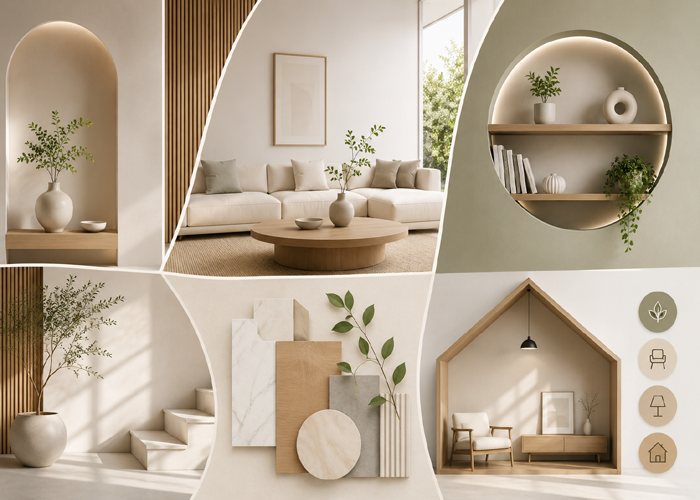
 Minimalist Home Design Ideas for a Clean and Stylish Look
A beautiful home does not always need expensive furniture, oversized decorations or rooms filled with countless accessories. In recent years, minimalist home design has become one of the most loved interior styles because it focuses on something more meaningful: creating a space that feels calm, functional & visually balanced.
Minimalism is not about making your home empty or boring. It is about carefully choosing what belongs in your space and removing distractions that create unnecessary clutter. A minimalist home allows every piece of furniture, every color choice & every decorative element to have a purpose.
Whether you live in a small apartment, a modern house or a large family home, minimalist design can help you create a cleaner atmosphere while making your space look stylish and welcoming.
In this guide, we will explore practical minimalist home design ideas that can transform your living space into a peaceful and elegant environment.
Minimalist interior design is built around simplicity, functionality and intentional choices. Instead of following the idea of “more is better,” minimalism follows a different approach: “better choices create better spaces.”
A minimalist home usually focuses on:
* Open and breathable spaces
* Simple furniture designs
* Neutral and calming colors
* Natural lighting
* Smart storage solutions
* Quality over quantity
The goal is to create a home where everything feels organized and comfortable.
A well-designed minimalist room should make you feel relaxed the moment you enter. There should be enough space for movement, enough light to create warmth & enough personality to make the home feel unique.
The first step toward creating a minimalist home is removing unnecessary items. Clutter can make even a large room feel crowded and stressful.
Look around your home and ask:
* Do I use this item regularly?
* Does this item add beauty or function?
* Would my space feel better without it?
Minimalism does not mean throwing everything away. It means keeping items that have value, purpose, or emotional importance.
A simple decluttering strategy:
Keep:
* Furniture you actually use
* Decorations that match your style
* Items that improve your daily life
Remove:
* Broken items
* Unused decorations
* Duplicate products
* Things stored only because of habit
Once unnecessary items are removed, your home instantly feels larger and more organized.
Colors play a major role in minimalist interiors. The most popular minimalist homes often use soft and neutral tones because they create a peaceful and timeless appearance.
Popular minimalist colors include:
* White
* Beige
* Soft gray
* Cream
* Light brown
* Natural wood tones
These shades reflect light and make rooms appear more open.
However, minimalist design does not mean your home must look plain. You can add personality through:
* A textured rug
* A unique artwork
* Green plants
* Wooden furniture
* Soft fabrics
The key is balance. Instead of using many colors, choose a few shades that work beautifully together.
Furniture is one of the most important parts of minimalist home design. The right furniture can make a room feel elegant without overwhelming the space.
Choose pieces that offer:
* Clean lines
* Practical features
* Comfortable designs
* Long-lasting quality
For example:
A simple sofa with a neutral fabric can create a sophisticated living room.
A wooden dining table with minimal decoration can become the center of your dining area.
A bed with built-in storage can keep your bedroom organized.
Minimalist furniture should not only look good but also make everyday life easier.
One of the biggest secrets behind a clean minimalist home is hidden organization.
Instead of allowing items to cover surfaces, use creative storage ideas:
* Built-in shelves
* Storage beds
* Hidden cabinets
* Multi-purpose furniture
* Wall-mounted organizers
A clean countertop, empty table surface & organized shelves immediately create a more luxurious appearance.
Minimalist homes often look expensive because they avoid visual overload.
Lighting can completely change the feeling of a room.
Minimalist interiors usually focus on natural light because sunlight creates warmth and makes spaces feel larger.
Ways to increase natural light:
* Use light-colored curtains
* Avoid blocking windows
* Add mirrors to reflect light
* Keep windows clean
* Choose furniture that does not make rooms feel heavy
During the evening, use soft lighting instead of harsh bright lights.
Warm lamps, simple pendant lights & elegant floor lamps can create a comfortable atmosphere.
A common mistake people make with minimalist design is creating a space that feels too cold.
Natural elements help bring life and warmth into a simple home.
Consider adding:
Indoor Plants
Plants add freshness, color & a connection to nature.
Popular choices include:
* Snake plants
* Peace lilies
* Small indoor trees
* Hanging plants
Natural Materials
Materials like:
* Wood
* Stone
* Linen
* Cotton
* Bamboo
create a more comfortable and organic feeling.
A minimalist home should feel peaceful, not empty.
Minimalism encourages homeowners to buy fewer but better items.
Instead of filling your home with cheap decorations, choose pieces that will last longer.
A high-quality chair, beautiful lamp or carefully selected artwork can make a stronger impact than many random accessories.
The idea is simple:
A room with five meaningful items can feel more stylish than a room filled with fifty unnecessary items.
Every area of your home should have a clear purpose.
Minimalist Living Room Ideas
Create a relaxing environment with:
* Comfortable seating
* Simple coffee table
* Neutral colors
* Limited decorations
Avoid filling every corner. Empty space is part of the design.
Minimalist Bedroom Ideas
A minimalist bedroom should feel like a peaceful retreat.
Use:
* Soft bedding
* Simple furniture
* Calm colors
* Minimal bedside items
Remove unnecessary electronics and distractions to create a relaxing atmosphere.
Minimalist Kitchen Ideas
A clean kitchen design focuses on:
* Organized cabinets
* Clear countertops
* Functional appliances
* Simple materials
A tidy kitchen instantly makes your entire home feel more organized.
A minimalist home should still represent your personality.
You can add character through:
* One large piece of artwork
* A favorite collection
* Family photographs
* Unique handmade items
The secret is choosing carefully.
Instead of displaying everything you own, highlight the things that matter most.
A minimalist home tells a story through fewer but more meaningful objects.
One of the most powerful elements in minimalist design is negative space.
Negative space is the empty area around furniture and decorations.
Many people think empty space means something is missing, but in minimalist design, it creates balance.
A room needs breathing space.
When furniture has enough space around it:
* The room feels bigger
* Items become more noticeable
* The design feels more luxurious
Making the Space Too Empty
Minimalism does not mean removing everything. A home should still feel comfortable and personal.
Choosing Style Over Comfort
A beautiful chair that is uncomfortable does not improve your home.
Always balance appearance with usability.
Ignoring Storage
Without proper storage, clutter will return quickly.
Plan organization before decorating.
Using Only One Texture
A completely plain room can feel boring.
Mix materials like wood, fabric, glass & plants to create depth.
Creating a minimalist home is only the beginning. Maintaining it requires simple habits.
Try:
* Cleaning surfaces daily
* Avoiding unnecessary purchases
* Organizing items regularly
* Following the “one item in, one item out” rule
When you buy something new, consider removing something you no longer need.
This keeps your home balanced and clutter-free.
Minimalist home design is not only about appearance. It is about creating a space that supports a better lifestyle.
A clean and stylish home can improve your comfort, reduce visual stress & make everyday moments more enjoyable.
The best minimalist homes are not the ones with the fewest things. They are the ones where every detail has meaning.
By choosing thoughtful furniture, calming colors, smart storage & intentional decorations, you can create a home that feels modern, peaceful & timeless.
Minimalism is not about having less. It is about making room for what truly matters.







💬 Comment Section