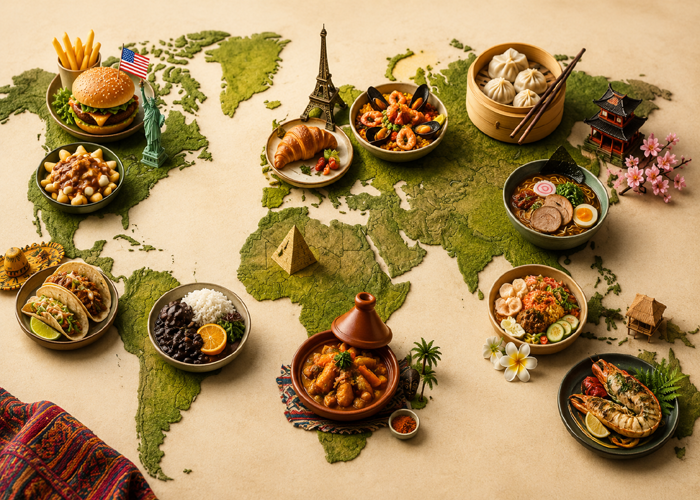
 Countries With the Most Unique Traditional Dishes
Food is more than fuel. It is history, identity & storytelling served one bite at a time. Every country has signature dishes, but some nations have culinary traditions so distinctive that they surprise even the most experienced travelers.
From ancient cooking techniques passed down through generations to ingredients found nowhere else, these countries have created food cultures that stand apart from the rest of the world. If you're a curious foodie looking for flavors beyond the ordinary, these destinations deserve a place on your travel bucket list.
Japanese cuisine is built on a philosophy of balance, seasonality & respect for ingredients. Rather than masking flavors with heavy spices, Japanese chefs focus on highlighting natural taste.
Traditional dishes such as sushi, ramen, tempura & kaiseki meals showcase incredible attention to detail. Even something as simple as a bowl of rice can become a culinary masterpiece when prepared with care.
What makes Japan unique is its ability to transform everyday ingredients into unforgettable experiences through precision & craftsmanship.
Ethiopian food is unlike almost anything else in the world. Meals are often served on a large communal platter lined with injera, a soft fermented flatbread that acts as both plate and utensil.
Rich stews, lentils, vegetables & spiced meats are arranged across the bread, encouraging family and friends to eat together.
The dining experience itself becomes part of the culture, creating a sense of connection that goes far beyond the food.
Peruvian cuisine combines Indigenous traditions with influences from Europe, Asia & Africa.
The result is a vibrant food culture filled with unique ingredients such as purple corn, quinoa & countless varieties of potatoes. Dishes are colorful, bold & deeply rooted in history.
Peru's diverse geography—from mountains to rainforests and coastlines—provides an endless variety of ingredients that make every meal an adventure.
Walking through a Moroccan market is an experience for the senses. The aroma of saffron, cinnamon, cumin & ginger fills the air.
Traditional dishes often combine sweet and savory elements in surprising ways. Slow-cooked meals, fragrant tagines & freshly baked bread reflect centuries of cultural exchange.
Moroccan cuisine proves that food can be both comforting and exciting at the same time.
South Korean food is known for its bold flavors, fermented ingredients & colorful presentation.
Kimchi may be the country's most famous dish, but Korean cuisine extends far beyond it. Traditional recipes emphasize balance, featuring combinations of spicy, sweet, salty & umami flavors.
Food is deeply woven into Korean culture, with many dishes linked to celebrations, seasons & family gatherings.
Nestled between Europe & Asia, Georgia offers one of the world's most distinctive food traditions.
Cheese-filled breads, dumplings packed with flavorful fillings & hearty meat dishes define the country's cuisine. Ancient winemaking traditions further enhance the dining experience.
Despite being less known than many food destinations, Georgia consistently surprises visitors with its rich culinary heritage.
Thai cuisine has mastered the art of balance. Sweet, spicy, sour, salty & savory elements come together in remarkable harmony.
Traditional dishes often feature fresh herbs, vibrant vegetables & aromatic spices that create layers of flavor in every bite.
Street food culture plays a major role in Thailand, making extraordinary meals accessible to everyone.
India isn't just one food culture—it's hundreds.
Each region has developed its own culinary identity, influenced by geography, climate, religion & history. From rich northern curries to coconut-infused southern dishes, every state offers something different.
The incredible diversity of ingredients & cooking styles makes India one of the most fascinating food destinations on Earth.
Mexican cuisine is built on traditions that stretch back thousands of years.
Corn, beans, chilies & local herbs form the foundation of countless recipes. Traditional cooking methods remain central to many dishes today, preserving flavors that have been enjoyed for generations.
The result is a cuisine that feels both deeply historical and endlessly creative.
In an age where global fast-food chains can be found almost everywhere, traditional dishes offer something increasingly valuable: authenticity.
They connect people to their roots, preserve cultural heritage & tell stories that cannot be found in history books. Every traditional recipe carries generations of knowledge, adaptation & creativity.
The next time you travel, skip the familiar and seek out local specialties. You may discover that the most memorable part of your journey isn't a landmark or attraction—it's a meal shared with locals, prepared using traditions that have survived for centuries.
The world's most unique traditional dishes are more than food; they are living expressions of culture. Whether it's sharing injera in Ethiopia, enjoying a carefully crafted Japanese meal or exploring the vibrant flavors of Mexico, every dish offers a glimpse into the heart of a nation.
For travelers & food lovers alike, the greatest adventures often begin at the dinner table.







💬 Comment Section